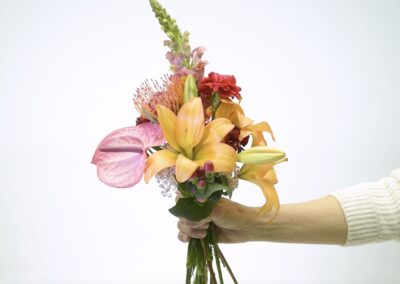
A Guide to Color Shifting

Moving Color Into A New Tone.

Nature is endlessly inspiring—offering us flowers in extraordinary shapes, hues, and variations. Yet even with this abundance, there are moments when design calls for something more specific. Like painters with a palette, designers often need to adjust and fine-tune color to match a vision and turn what they have into what they need.

When working with color, Design Master® sprays provide a versatile toolkit to solve problems and expand color possibilities. A white bloom offers a blank canvas, taking on the infused color of the spray applied. But when more nuance is required, color shifting becomes your most valuable approach. By layering one color over another, you can subtly (or dramatically) shift the visual appearance of a bloom—enhancing or transforming it to a desired hue.

This guide introduces the principles of color shifting to support your professional practice. Whether you’re mimicking nature or inventing a unique palette, controlled color adjustments expand your design options and allow for deeper artistic expression.


Color Knowledge

Color Relationships in Shifting

Color Styles

Color Knowledge

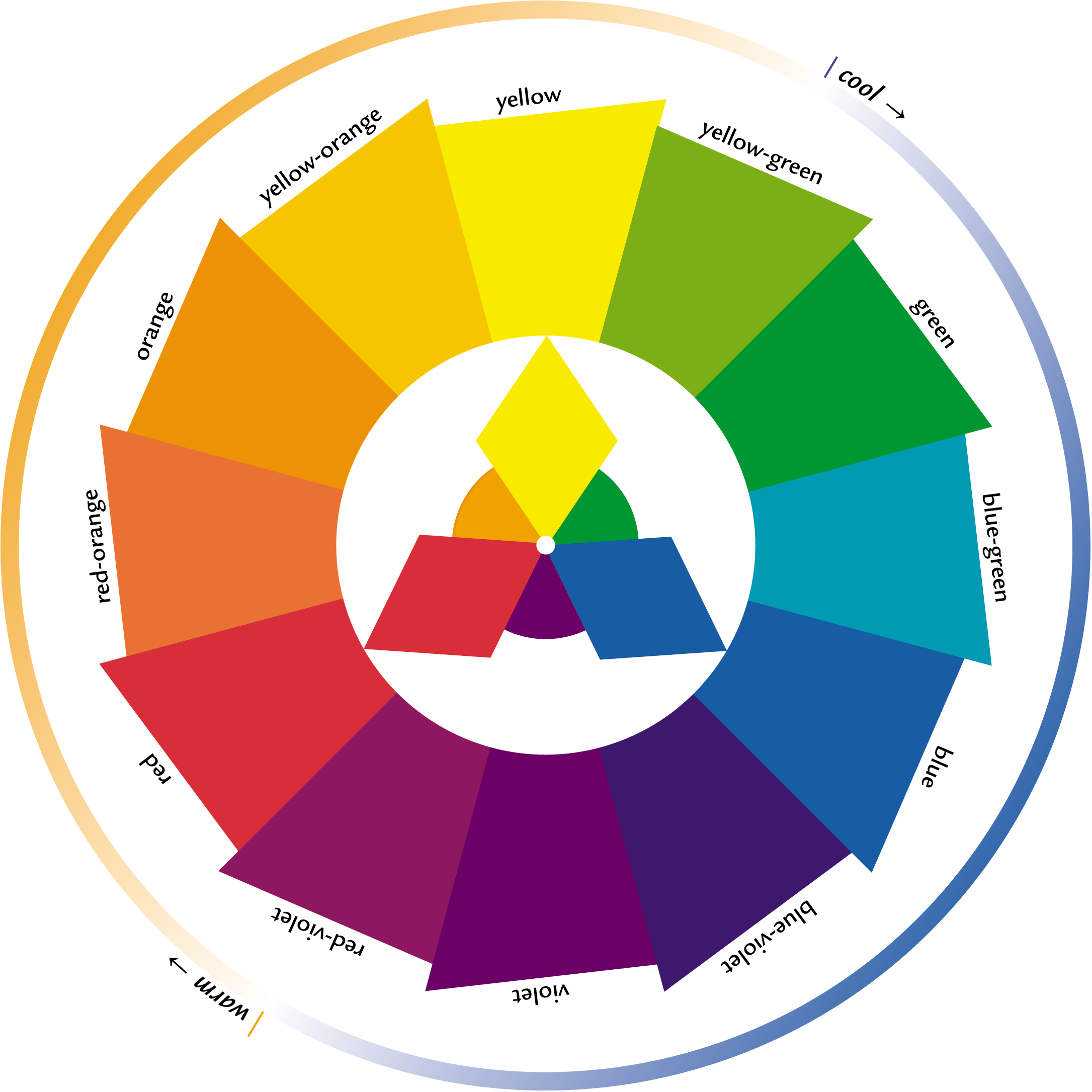
Understanding the color wheel is one of the most valuable tools for achieving a successful color shift. While many designers rely on intuition, making intentional, informed choices reinforces creative confidence. At its core, the color wheel reveals how hues relate to one another — these relationships form the foundation of effective color shifting.

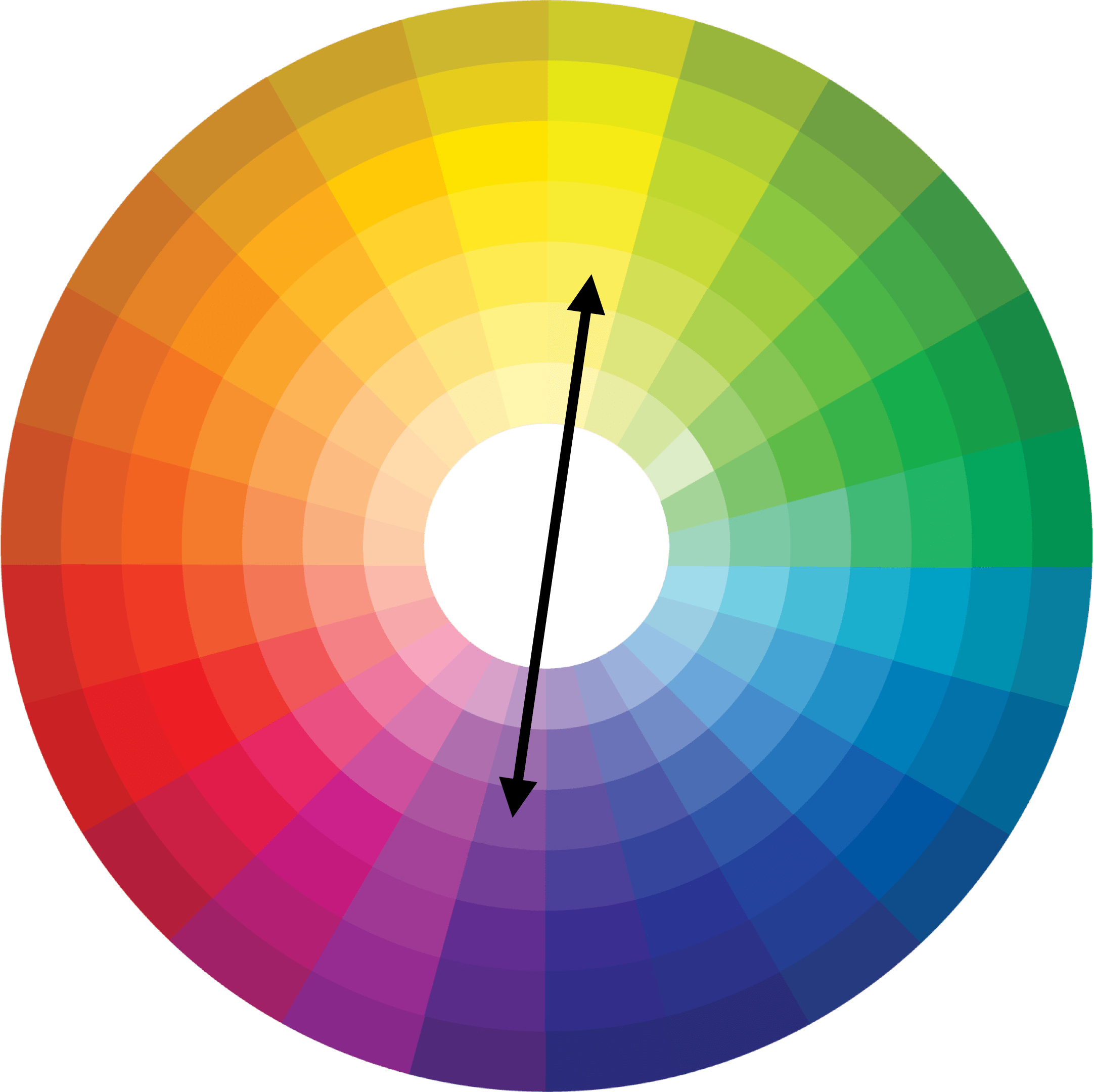
Start with the fundamentals. The three primary colors — Red, Yellow, and Blue — are the foundation of all other hues. Think of them as the core team behind every color shift: essential, powerful, and endlessly versatile. Blending any two of these produces the secondary hues: Orange, Green, and Purple. These six foundational hues combine to form the tertiary colors —blends of a primary and a neighboring secondary hue — such as red-orange, yellow-green, and blue-violet. Together, they complete the full spectrum of the color wheel.

Red – Yellow – Blue

It All Starts with the Color Superheroes!

Knowing the origin of a color makes it easier to guide it in the direction you want.

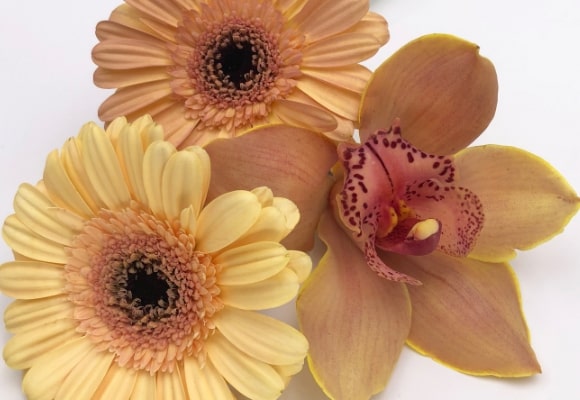
For example, if you need a peach-toned bloom but do not have one available, consider how peach is created. Though it is a lighter value, peach is influenced by both yellow and red. By selecting a soft yellow flower and applying a light red-based spray — such as Pink Petunia or Wild Rose — you can blend these tones to achieve the desired hue. The specific character of the yellow and pink will shape the final result, but the color will remain in the peach family.

Color Relationships in Shifting

Color shifting is the intentional adjustment to the hue of a flower or decorative object. The goal is not to cover it with paint, but to work with its natural color for a more realistic enhancement. This process goes beyond simply choosing colors. It is about understanding how they interact and influence perception. Color shifting involves moving a hue towards one of its neighboring colors on the color wheel, adjusting its tone or changing its color value. Understanding color relationships is essential for using the technique effectively and achieving desired visual results. The main approaches to color shifting are: Analogous, Complementary, and Monochromatic. We will explore each of these in the subsequent sections.
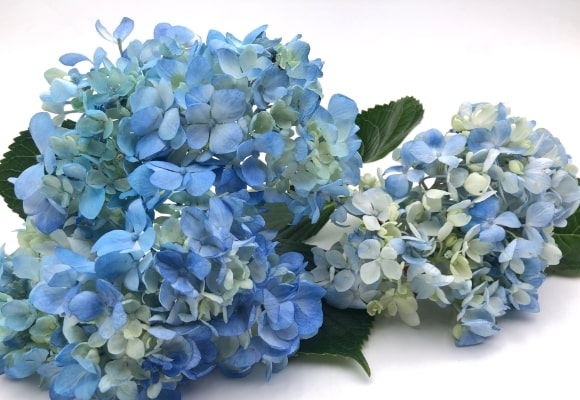
Analogous Color Shift

More often than not, the colors used for shifting share an analogous relationship — they sit next to each other on the color wheel and have similar undertones. These natural connections make for smooth, subtle transitions. For example, applying a yellow spray to a chartreuse bloom gently warms the color without changing its overall identity. The shift feels seamless because the hues already share a common origin.

Complementary Color Shift

Complementary colors — hues directly across from each other on the color wheel — create bold contrast when placed side by side, enhancing the vibrancy of each other. But when blended their energy neutralizes each other, often resulting in shades of brown or muted tones. Each complementary pair contributes its own unique character to the mix. You can also create toned-down or muddy colors by blending a hue with one next to its complement. This technique is especially useful for designing moody, layered palettes with emotional richness.

Monochromatic Color Shift

When you want to lighten or darken bloom color without changing its hue family, monochromatic shifting is the way to go.

To lighten: apply a Spray from the same color family and in a lighter value than the original blossom (e.g., Blush over pink).

To darken: use a deeper tone Spray from the same color family (e.g., Raspberry or Bougainvillea over pink).

Color Styles and Choosing Your Color Tool

Each Design Master® color spray contains unique coloring agents with different properties. Understanding these will help you choose the right product for your needs.

Translucent to Opaque

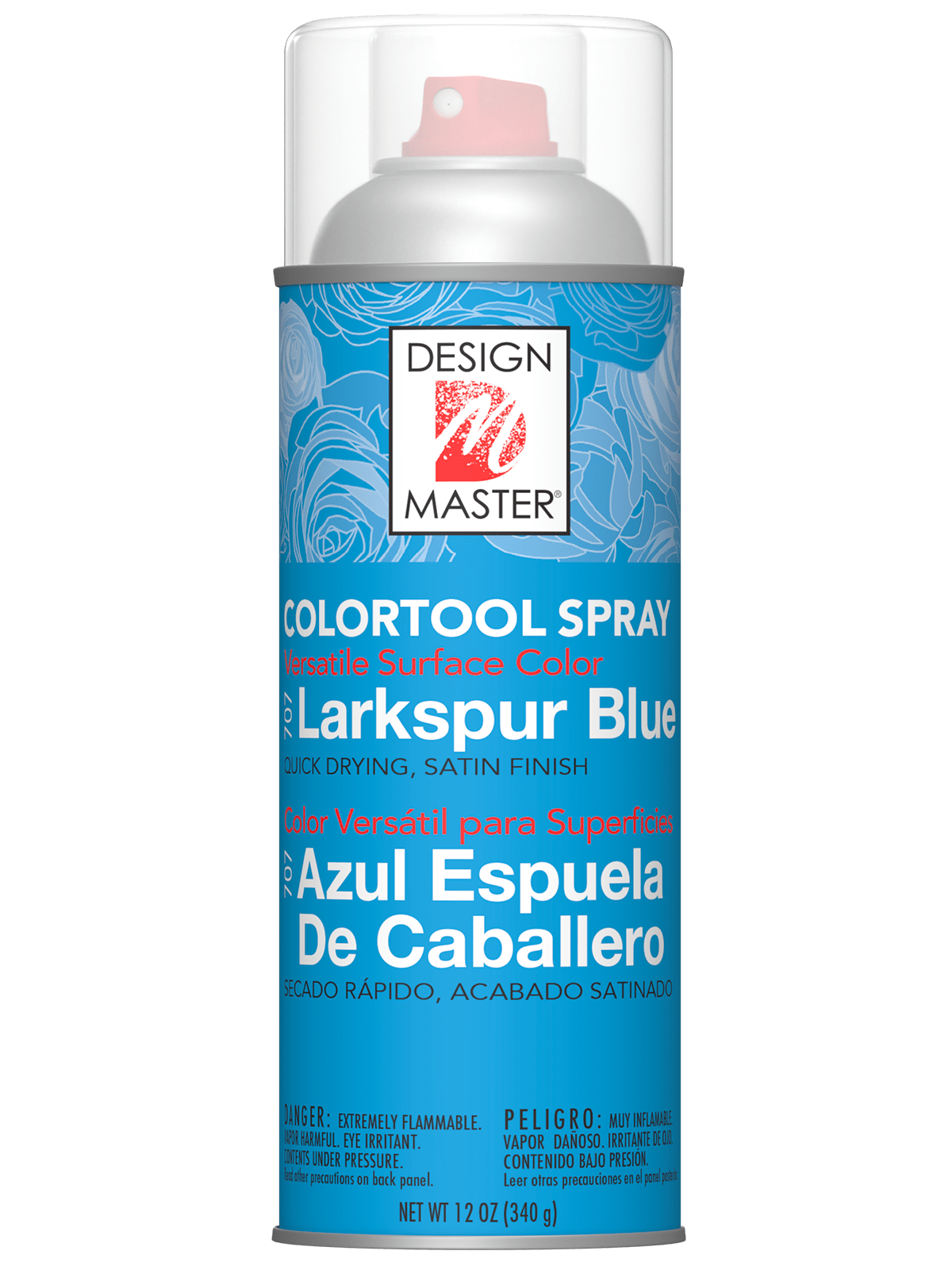
ColorTool Spray

Pigmented color — 1 to 2 light coats appear translucent, allowing some detail of the surface color to show. Additional coats provide more coverage and hide surface details. Light coats of alternating colors blend easily. Useful for hiding blossom blemishes.

Satin finish.

Transparent Color

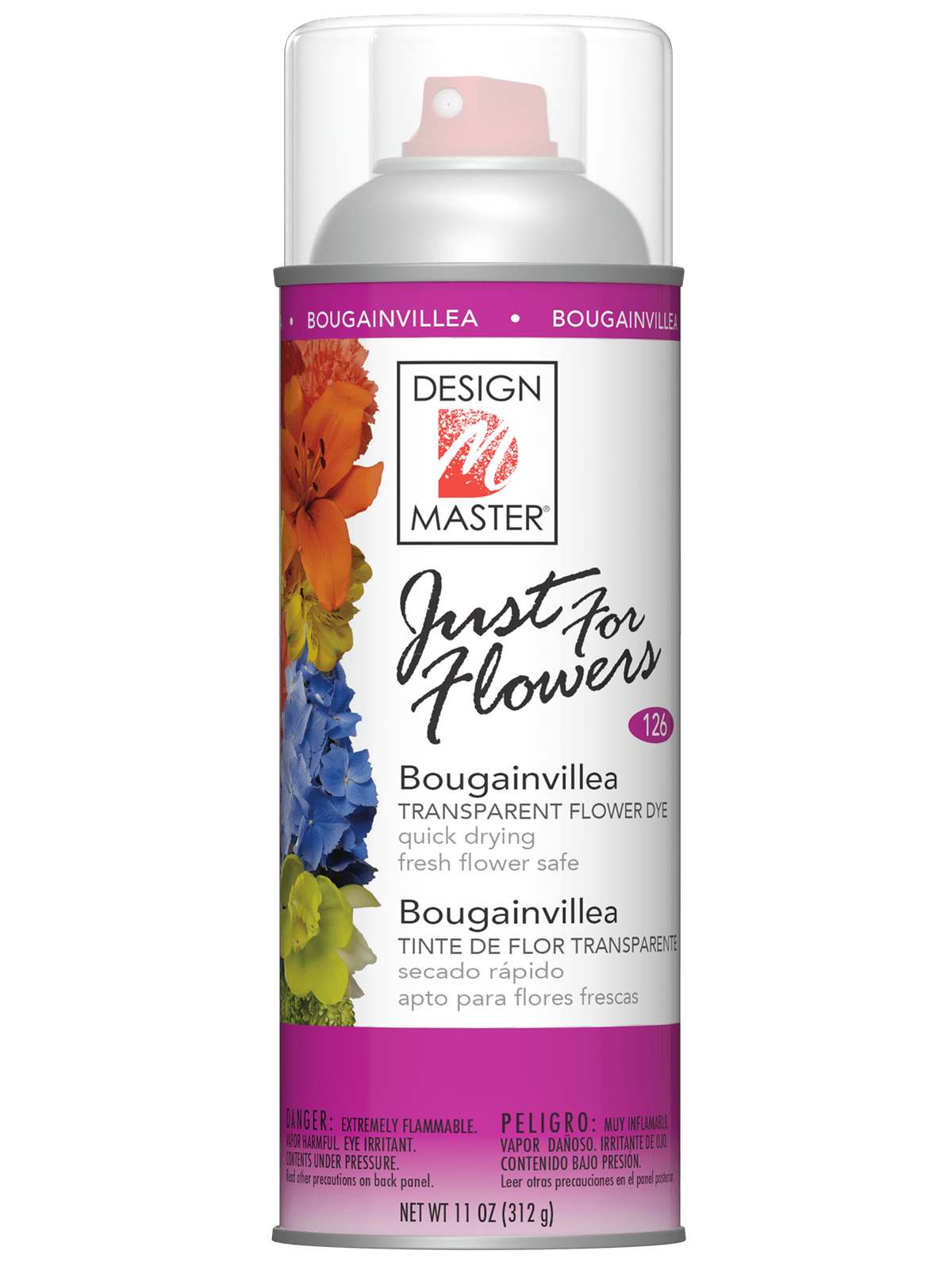
Just for Flowers

Dye colorant — Sheer, transparent color keeps surface details visible. The underlying surface color affects the final hue. Each additional coat deepens the color. Offers precise color control. Easy to blend colors.

Satin finish.

Metallic Color

ColorTool Spray

Metallic pigments — flower-safe metallic hues with the same features as ColorTool Sprays.

Satin metallic finish.

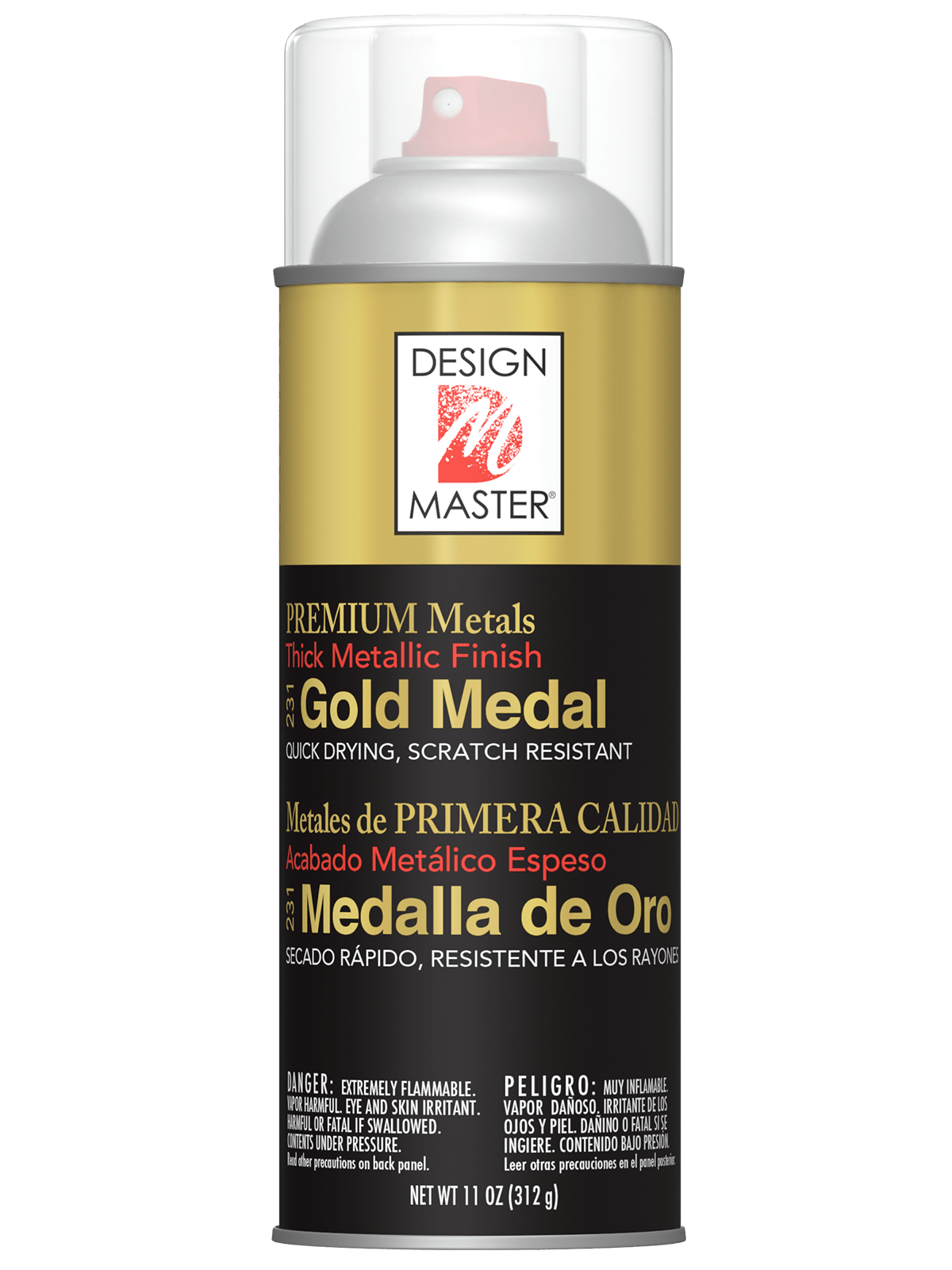
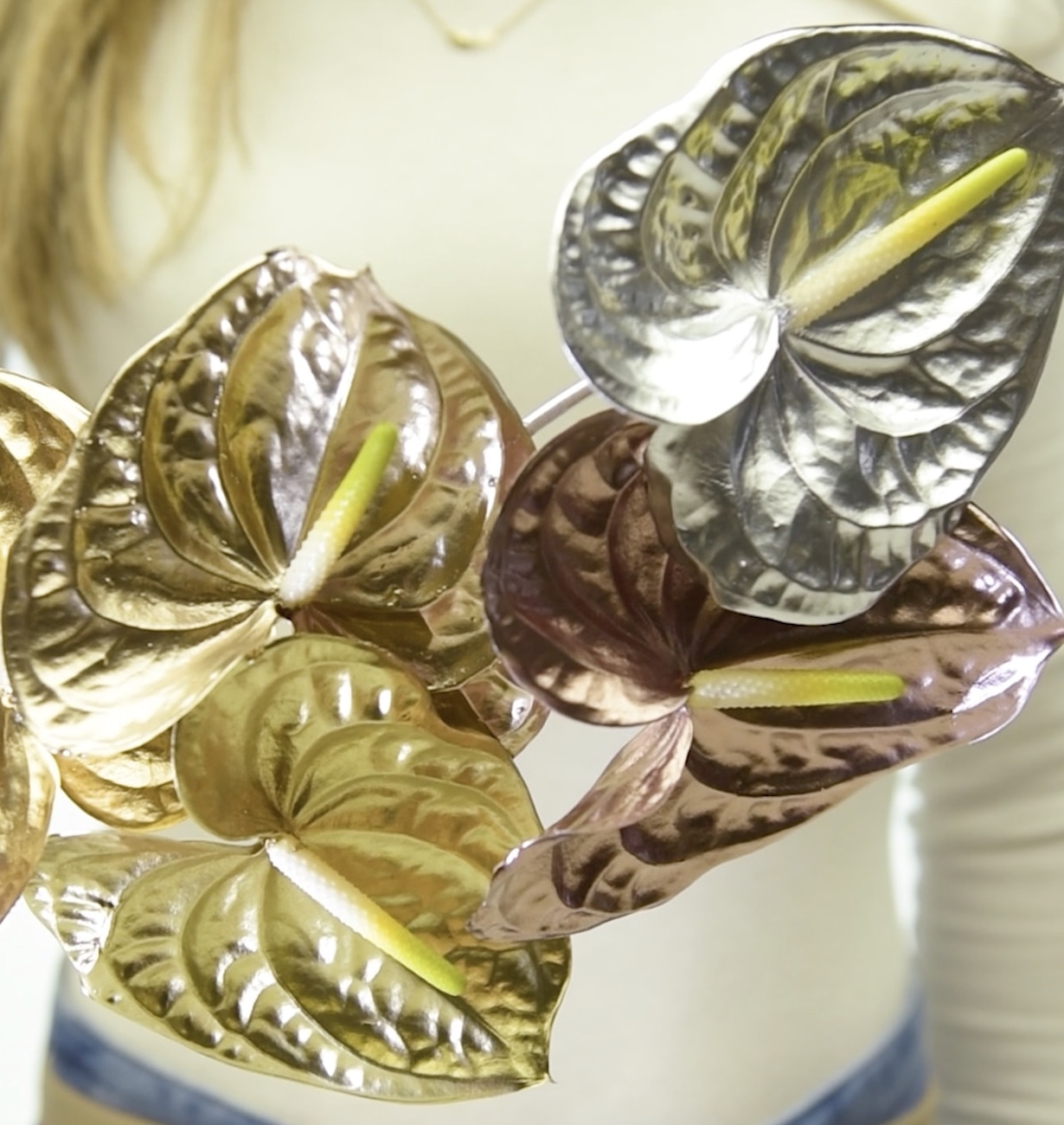
Premium Metals

Metallic pigments — reflective metallic finish with a plated look. Provides quick coverage with more pigment load. Suitable for use on durable, resilient fresh flowers and foliage. Not recommended for delicate or lightweight varieties. Always test for compatibility and desired results.

High reflectivity for superior metallic shine.

More Resources

Now that you have learned the fundamentals of color shifting, explore our additional guides.

A Guide to Spray Techniques — Fresh Flowers

Applying Design Master® spray colors on fresh flowers requires special techniques for safe application. Follow these practices for best results.

A Guide to Spray Techniques — Floral Products

From satin ribbons to silk flowers, ceramic planters to glass vases —Design Master® sprays give you the power to customize nearly every element of your design.
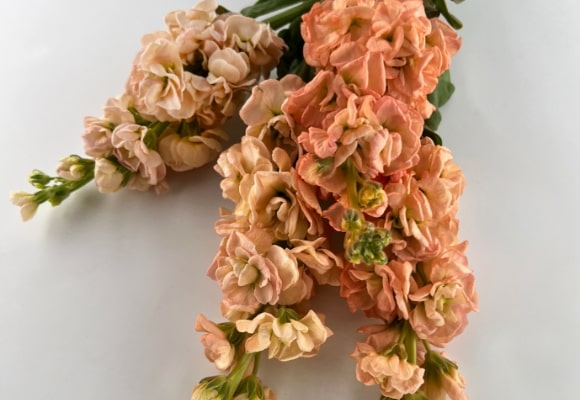
A Guide to Color Theory

Understanding color principles is foundational for impactful floral design, selling color to customers, and creating controlled color adjustments

Explore More Topics

No results found.