










A Guide to Spray Techniques — Fresh Flowers

Fresh flowers are a unique canvas for color. Their delicate nature requires sprays that are specially formulated to maintain natural bloom longevity. Here you will find practical tips and step-by-step methods to help you apply color with ease. From general application guidance to creative techniques, these resources support your confidence in achieving beautiful, creative results.


Airbrushing

Back Spraying

Toning

Tipping

Blending

General Application Tips

Spraying fresh flowers is simple with the right approach. When applied as directed, these sprays provide fast-drying color for quick and effective color shifts.

  • SHAKE can for 1 minute after hearing the mixing ball rattle.
  • ALIGN the spray opening with the black dot on the can rim.
  • SPRAY in a well-ventilated area.
  • APPLY color 15-18 in / 38-45 cm away from bloom.
  • MIST color in light coats.
  • AVOID heavy application or spraying too close.
  • LAYER light coats to build and blend colors gradually.
  • START LIGHT. Often just a soft veiling of the color spray will make the shift needed.

Do Not Spray Too Close

Follow this best practice to ensure safe application of Design Master® sprays on fresh flowers. Apply from at distance of at least 15 in / 38 cm from the blossom.

Advanced Techniques

Airbrushing

Add highlights to the flower using an airbrushing technique. Hold the spray can farther away—about 18 in / 45 cm — and mist the bloom in short bursts rather than a continuous spray. Rotate the flower and apply color for varied, natural-looking highlights.

Back Spraying

Use a backspray technique to intensify or brighten the bloom’s overall color. Holding the can 15″–18″ (38–45 cm) away, spray only the backs of the petals. This adds vibrancy and a fresh appearance to the flower. It works especially well on blooms such as lilies, symphony orchids, and phalaenopsis.

Toning

Toning adds depth and variation to the bloom’s color. Select a spray shade slightly deeper than the flower color. Hold the can about 15-18 in / 38-45 cm away and mist just the outer edges. This technique highlights the perimeter without covering the full blossom, creating dimensional color.

Tipping

Tipping adds color only to the outermost tip of the flower for a distinctive, contrasted effect. With a protected hand, gently wrap your hand around the blossom and pull it through so only the tips are exposed. Hold the can 15-18 in / 38-45 cm away and mist the exposed tips. When you open the flower, you’ll see a clear color accent at the edge. This technique works well on carnations, roses, and other layered blooms.

Blending

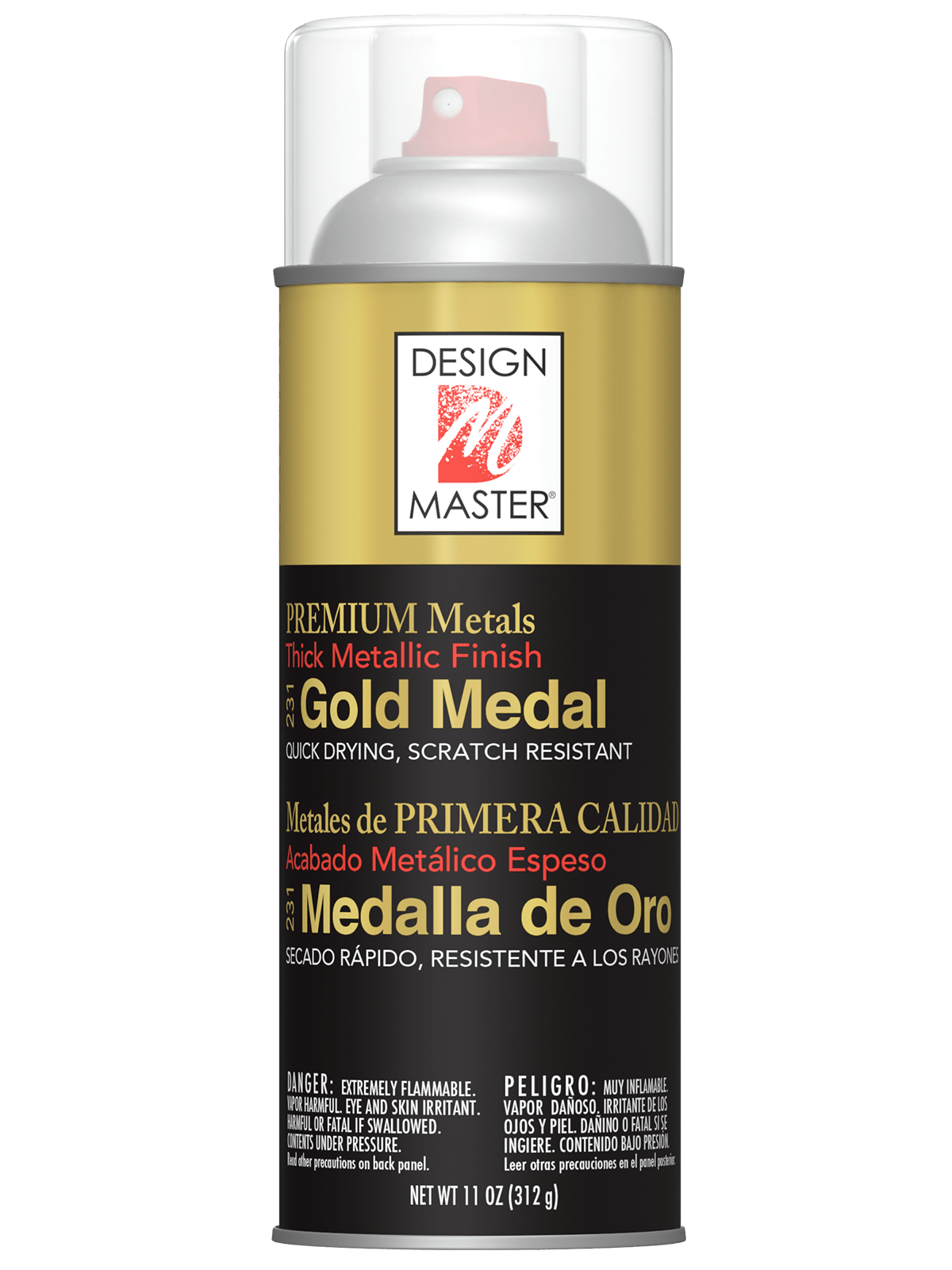
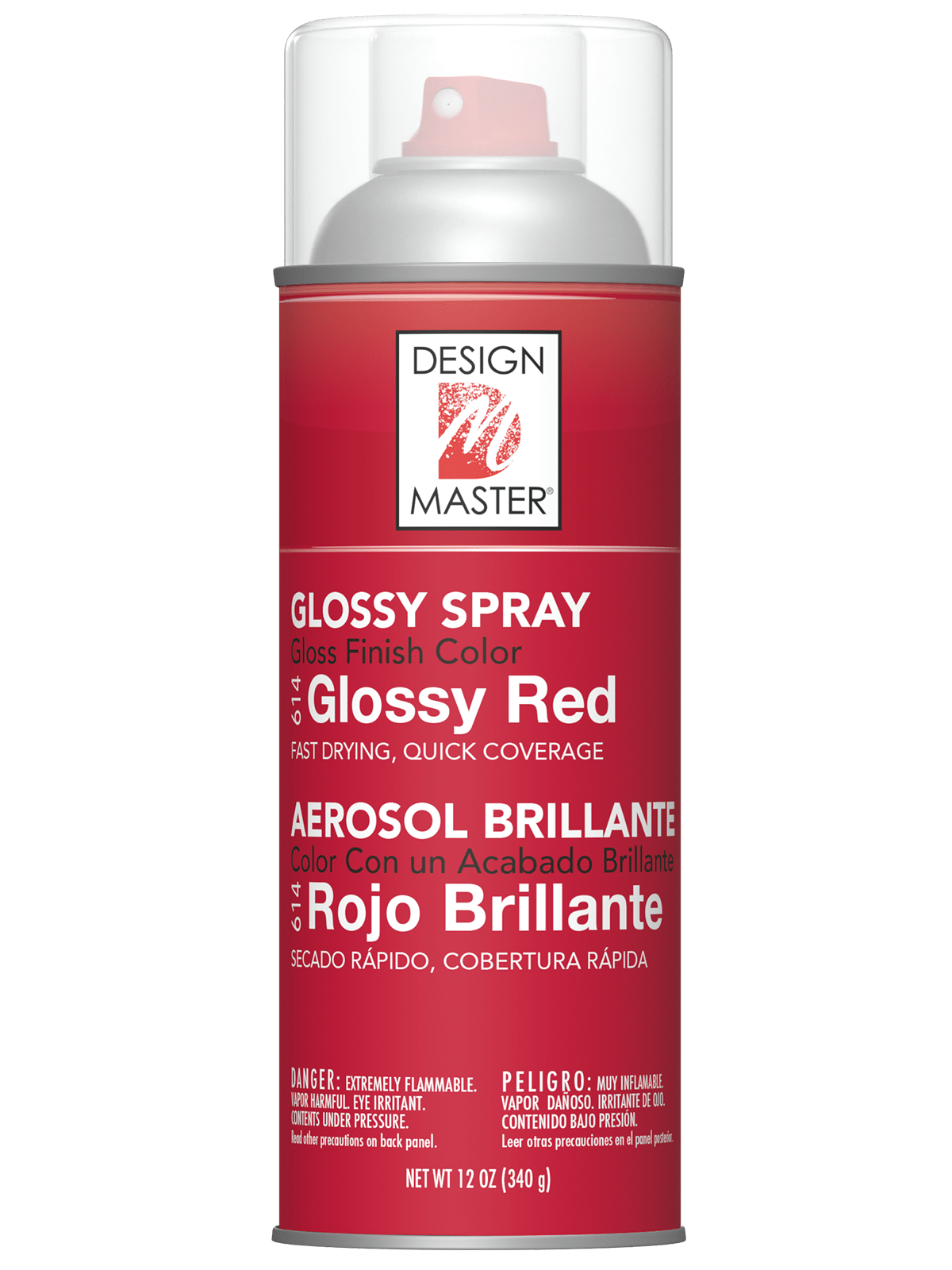
The various Design Master® color sprays are designed to work together. By applying light layers, colors can be blended to create new effects. You can combine ColorTool Spray, Just For Flowers, and Premium Metals to craft unique hues.

Spray Tip: Because it is sheer color, Just For Flowers works best as the final layer when paired with ColorTool Spray or Premium Metals.

Airbrushing

Add highlights to the flower using an airbrushing technique. Hold the spray can farther away—about 18 in / 45 cm — and mist the bloom in short bursts rather than a continuous spray. Rotate the flower and apply color for varied, natural-looking highlights.

Back Spraying

Use a backspray technique to intensify or brighten the bloom’s overall color. Holding the can 15″–18″ (38–45 cm) away, spray only the backs of the petals. This adds vibrancy and a fresh appearance to the flower. It works especially well on blooms such as lilies, symphony orchids, and phalaenopsis.

Toning

Toning adds depth and variation to the bloom’s color. Select a spray shade slightly deeper than the flower color. Hold the can about 15-18 in / 38-45 cm away and mist just the outer edges. This technique highlights the perimeter without covering the full blossom, creating dimensional color.

Tipping

Tipping adds color only to the outermost tip of the flower for a distinctive, contrasted effect. With a protected hand, gently wrap your hand around the blossom and pull it through so only the tips are exposed. Hold the can 15-18 in / 38-45 cm away and mist the exposed tips. When you open the flower, you’ll see a clear color accent at the edge. This technique works well on carnations, roses, and other layered blooms.

Blending:

ColorTool Spray

ColorTool Spray delivers an ultra-fine mist that provides control when applying color. An accent color sprayed lightly over a basecoat color will blend.

Choose a white or naturally colored blossom. Basecoat the flower with your selected color and let it dry. To highlight, mist a second color lightly over the area. Or simply apply a spray color to a selected area of a naturally colored bloom.

Blending:

Just for Flowers Dye Spray

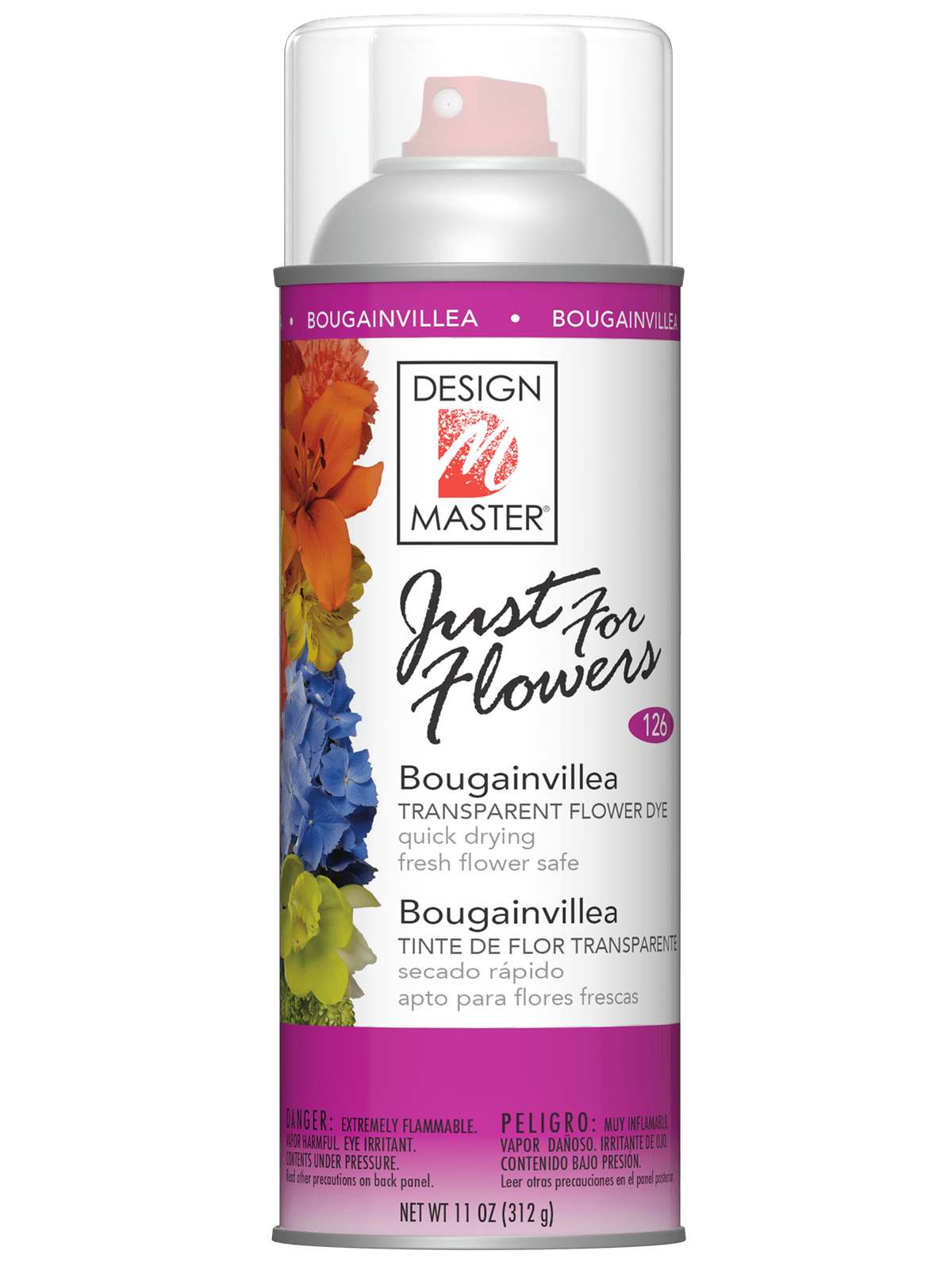
The unique nature of the transparent color of Just for Flowers spray makes it one of the easiest and most natural-looking tools for blending color. Simply apply a light coat of selected spray colors over white. Or start with a naturally colored bloom and apply a different Just for Flowers hue to accent a specific area.

Blending Colors on Foliage:

ColorTool Spray

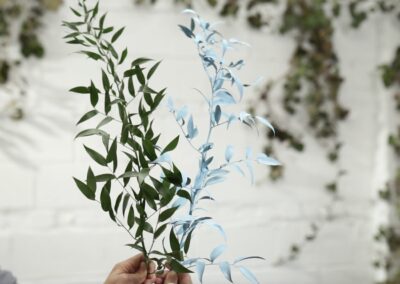
Large, flat leaves provide a unique canvas for blending multiple colors — an eye-catching effect for out-of-the-ordinary designs.

Apply the same ColorTool or Just For Flowers Spray blending techniques used on fresh flowers to foliage for custom effects and standout results.

Blending:

Antique Hydrangea

As hydrangeas mature on the plant, their blooms soften into romantic hues — gentle blends of soft pinks, muted greens, smoky lavenders, and antique blues. Capture this timeless beauty with the color recipes shared in the videos here, or create your own custom blends to match the unique character for your design palette.

More Resources

Now that you’ve learned the basics for spraying color on fresh flowers, explore our other helpful guides to learn about expert techniques for other floral products and the foundational principles of color shifting and color theory to understand color relationships and create harmonious palettes.

A Guide to Spray Techniques — Floral Products

From satin ribbons to silk flowers, ceramic planters to glass vases —Design Master® sprays give you the power to customize nearly every element of your design.

A Guide to Color Shifting

Insights into color selection and the effective practices for achieving desired shifts of flower color – putting color control in your hands.

A Guide to Color Theory

Understanding color principles is foundational for impactful floral design, selling color to customers, and creating controlled color adjustments

Explore More Topics

No results found.